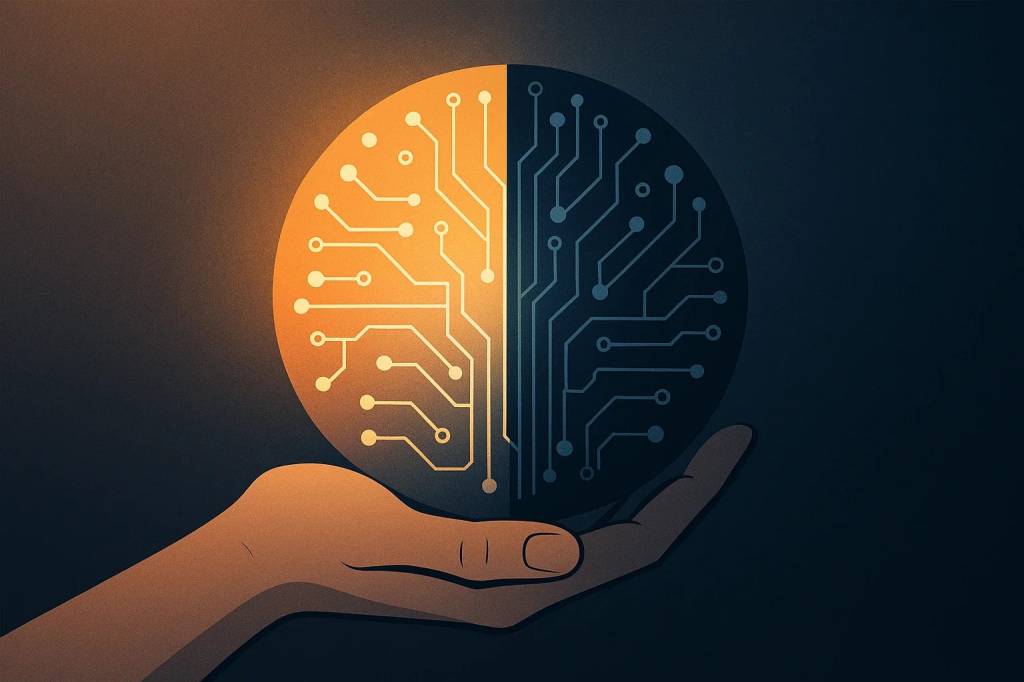
Why defining ‘good’ matters more than ever in the age of AI.
In a world buzzing with excitement about AI and large language models (LLMs), Paul Graham’s advice to entrepreneurs — “make good new things” — feels incredibly timely. Yet, hidden beneath the enthusiasm and transformative potential of AI is a vital question we often overlook: What exactly does “good” mean?
Innovation’s Double-Edged Sword
Throughout history, major breakthroughs have always had dual consequences. Gutenberg’s printing press revolutionized human knowledge, education, and progress — but also enabled propaganda, misinformation, and conflict. Nuclear energy promises clean power for millions but simultaneously created the threat of nuclear weapons and ongoing geopolitical tensions.
Today, AI stands firmly within this tradition, bringing both unprecedented opportunity and significant ethical challenges. AI-powered tools are revolutionizing healthcare, streamlining education, and dramatically boosting productivity across industries. Large language models like GPT have transformed communication, collaboration, and creativity, making feats once considered impossible now routine.
Yet, alongside these incredible achievements come genuine concerns. AI-driven automation threatens to disrupt millions of jobs, creating uncertainty and inequality. Advanced algorithms, while powerful, can also perpetuate bias, deepen misinformation, and exacerbate social divisions if left unchecked.
Beyond Innovation: Ethical Discernment
As we accelerate into this exciting AI-driven era, the urgent need for ethical discernment grows clearer. Ethical considerations can’t remain an afterthought — they must be woven into the very fabric of innovation.
We must openly ask critical questions: Who truly benefits from AI advancements, and who stands to lose? How can we ensure that technological progress doesn’t amplify existing inequalities or create new forms of harm? What does responsible AI innovation really look like?
Our ethical challenges are no longer individual questions of “what should I do?” Instead, they’re collective dilemmas: “what should we become?” Each decision made today, no matter how small, ripples outward, shaping global outcomes. This interconnectedness demands that we think collectively about technology’s role in our shared future.
Redefining Governance in an AI Age
Effective governance of AI and innovation requires us to move beyond traditional models that struggle to keep pace with rapid technological change. Rather than rigid regulation, we need flexible, adaptive frameworks that can evolve alongside technology. New governance approaches should encourage creativity and innovation while ensuring accountability, transparency, and equitable benefits.
Creating this balance means embracing interdisciplinary collaboration, diverse perspectives, and continuous dialogue. It means aligning AI’s incredible power with our collective human values and goals.
Shaping Our Collective Future
The responsibility of innovation extends beyond simply creating new tools or technologies. It’s about stewarding these powerful creations thoughtfully, ensuring they serve humanity broadly and equitably.
Ultimately, the question before us isn’t just about what AI can do — it’s about what we, as a society, want to become. This isn’t merely a technological question; it’s fundamentally ethical and deeply human. As we navigate the exciting yet challenging landscape of AI, our collective answers will define not only our technological future but our ethical legacy as well.

Leave a Reply